
Why Spatial Therapy?
Beyond flat screens and basic exercises. CUVR creates a 360-degree ecosystem where movement is play, and progress is visceral.
Neural Immersion
Engage your brain's proprioceptive pathways with environments designed to rewrite pain signals and accelerate coordination.
Real-time Biometrics
Visualize your progress with spatial data overlays. See your range of motion, muscle engagement, and heart rate in your field of view.
Gamified Recovery
Transform rehabilitation into a quest. Earn rewards, conquer challenges, and find your flow state in beautifully rendered VR worlds.
The CUVR Protocol
Phase 1: Calibrate
Precision scanning of current mobility levels and pain thresholds to create a unique biomechanical baseline.
Phase 2: Immerse
Guided sessions within neural-optimized VR landscapes that encourage rhythmic movement and focused effort.
Phase 3: Evolve
Continuous adaptation of difficulty and environment complexity as your physical and neural pathways strengthen.
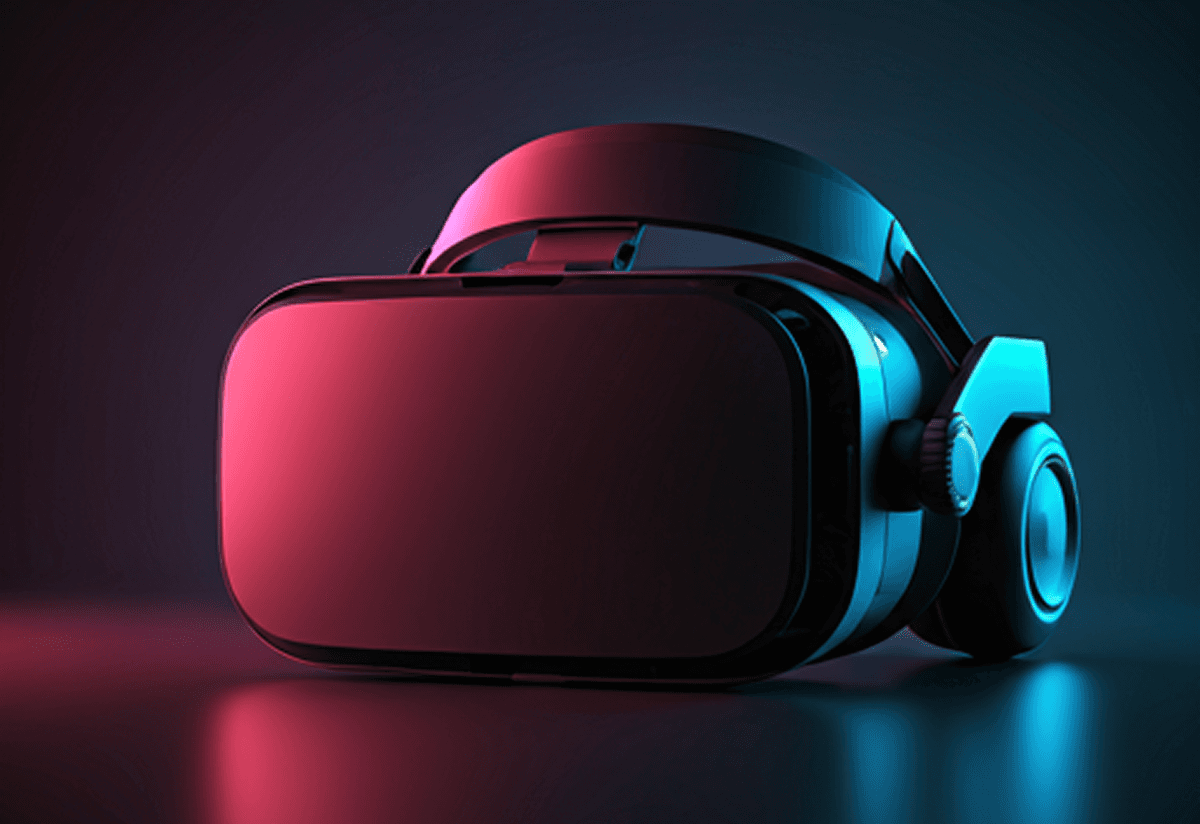
Real-time spatial mapping initialized. 98% tracking accuracy achieved.
Clinical Evidence
CUVR is built on a decade of peer-reviewed VR rehabilitation research. Outcomes data from our own deployments will be published upon clinical launch.
Faster Functional Recovery
VR rehab patients demonstrate up to 52% faster return to functional mobility compared to conventional physiotherapy programmes.
Journal of NeuroEngineering & Rehabilitation, 2022
Reduction in Pain Perception
Immersive VR environments reduce perceived pain intensity by an average of 27% during active rehabilitation sessions.
Frontiers in Virtual Reality, 2021
Session Completion Rate
VR-based therapy programmes achieve 89% session completion vs. 62% for traditional physiotherapy — a 44% improvement in adherence.
BMC Musculoskeletal Disorders, 2023
CUVR outcomes data will be published upon clinical deployment following DHA licensing.

Enter the Future
Are you ready to transcend traditional physical therapy? Join the elite group of users defining the next generation of recovery.